
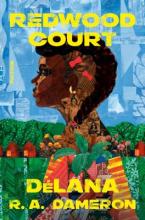
"1Mika, you sit at our feet all these hours and days, hearing us tell our tales. You have all these stories inside you: all the stories everyone in our family knows and all the stories everyone in our family tells. You write 'em in your books and show everyone who we are.' So begins DéLana R.A. Dameron's stunning novel-in-stories, Redwood Court. The baby of the family, Mika Mosby spends much of her time in the care of loved ones, listening to their stories and secrets, witnessing their struggles. Growing up on Redwood Court, the cul-de-sac in the working-class suburb of Columbia, South Carolina where her grandparents live, Mika learns important, sometimes difficult lessons from the people who raise her: Her exhausted parents, who work long hours at multiple jobs while still making sure their kids experience the adventure of family vacations; her older sister, who, in a house filled with Motown would rather listen to Alanis Morrisette, and can't wait to taste real independence; her retired grandparents, children of Jim Crow, who realized their own vision of success when they bought their house on Redwood Court in the 1960s, imagining it filled with future generations; and the many neighbors on the Court who hold tight to the community they've built, committed to fostering joy and love in an America so insistent on seeing Black people stumble and fall"-- Provided by publisher.
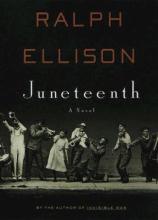
In Washington, D.C., in the 1950s, Adam Sunraider, a race-baiting senator from a New England state, is mortally wounded by an assassin's bullet while making a speech on the Senate floor. To the shock of all who think they know him, Sunraider calls out from his deathbed for Hickman, an old black minister, to be brought to his side. The Reverend summoned; the two are left alone. Out of their conversation, and the inner rhythms of memories whose weight has been borne in silence for many long years, a story emerges. For this United States senator, once known as Bliss, was raised by Reverend Hickman in a religion- and music-steeped black community not unlike Ralph Ellison's own childhood home. He was brought up to be a preaching prodigy in a joyful black Baptist ministry that traveled throughout the South and the Southwest. Together one last time, the two men retrace the course of their shared life in "an anguished attempt," Ellison once put it, "to arrive at the true shape and substance of a sundered past and its meaning." In the end the two men arrive at their most painful memories, memories that hold the key to understanding the mysteries of kinship and race that bind them, and to the senator's confronting how deeply estranged he has become from his true identity.
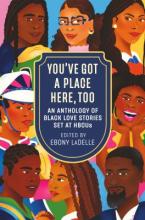
A heartwarming and unforgettable collection of love stories set at Historically Black Colleges and Universities, exploring hope, endurance, and what it means to leave a legacy, from some of today's most prominent Black writers and edited by the acclaimed author of Love Radio.
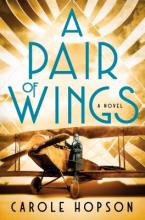
A novel inspired by the life of pioneer aviatrix Bessie Coleman, a Black woman who learned to fly at the dawn of aviation, and found freedom in the air.
Nubia has always been a little bit...different. As a baby she showcased Amazonian-like strength by pushing over a tree to rescue her neighbor's cat. But despite her having similar abilities, the world has no problem telling her that she's no Wonder Woman. And even if she were, they wouldn't want her. Every time she comes to the rescue, she's reminded of how people see her: as a threat. Her moms do their best to keep her safe, but Nubia can't deny the fire within her, even if she's a little awkward about it sometimes. Even if it means people assume the worst. When Nubia's best friend, Quisha, is threatened by a boy who thinks he owns the town, Nubia will risk it all--her safety, her home, and her crush on that cute kid in English class--to become the hero society tells her she isn't.
When her mom announces she's marrying a man she only just met on a dating app, OB-GYN Dr. Imani Kemp is determined to stop the wedding but met with resistance from her potential stepfather's handsome son to whom she is irresistibly drawn, changing everything.

Brooklynite Eva Mercy is a single mom and bestselling erotica writer, who is feeling pressed from all sides. Shane Hall is a reclusive, enigmatic, award-winning literary author who, to everyone's surprise, shows up in New York. When Shane and Eva meet unexpectedly at a literary event, sparks fly, raising not only their past buried traumas, but the eyebrows of New York's Black literati. What no one knows is that twenty years earlier, teenage Eva and Shane spent one crazy, torrid week madly in love. They may be pretending that everything is fine now, but they can't deny their chemistry-or the fact that they've been secretly writing to each other in their books ever since. Over the next seven days in the middle of a steamy Brooklyn summer, Eva and Shane reconnect, but Eva's not sure how she can trust the man who broke her heart, and she needs to get him out of New York so that her life can return to normal. But before Shane disappears again, there are a few questions she needs answered. . . With its keen observations of Black life and the condition of modern motherhood, as well as the consequences of motherless-ness, Seven Days in June is by turns humorous, warm and deeply sensual.
Published in English for the first time, this is the memoir of the fabulous, rule-breaking, one-of-a-kind Josephine Baker.
What is a book club but an excuse to talk to friends? The Toni Morrison Book Club brings that experience to life by telling the story of four friends who turn to Toni Morrison as they search for meaning in their lives. In this startling group memoir, the writers--black and white, gay and straight, immigrant and American born--allow Morrison's words, like music, to make them feel, confess, and discover. The result is a collection of deeply personal conversations about everything from first love to Soul Train to police brutality, all told with an ever present lens on race in America. Not shying away from controversies, this book offers a radically new way to envision book clubs as a healing force in our lives. So pull up a chair and pour yourself a much needed glass of wine, as you get ready to experience the messy differences, surprising revelations, and restorative power of The Toni Morrison Book Club.
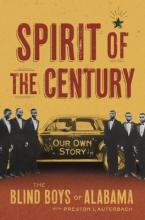
The Blind Boys of Alabama are the quintessential Gospel vocal group, and the longest-running musical institution in America. Their story intersects with pivotal moments and issues in American history and is an ideal prism through which to trace music, culture, history, and race in America. Spirit of the Century invites readers to follow along the Blind Boys' eight-decade journey together from a segregated trade school, through the rough and tumble indie record game and grinding tour schedule of the golden age of gospel, to starring in an iconic Broadway musical, performing at the White House for three presidents twice, collaborating with Tom Petty, Lou Reed, and Ben Harper, among others, singing the theme song for "The Wire," and winning five Grammys. More than just a story of the Blind Boys' illustrious career, Spirit of the Century also sheds new light on the larger world of African American gospel music, its origins, and the colorful characters at its center. Though there have been several iterations of the group over the decades, Spirit of the Century rounds up all surviving members of the group as contributors to the telling of their own story, and a result, the book offers a unique and intimate perspective on the group's enduring success. Current drummer and road manager Rickie McKinney has been with the group throughout its renaissance, while guitarist Joey Williams, the group's sighted member, has been the eyes of the Blind Boys since 1992. Octogenarian Jimmy Lee Carter has a fascinating history, as a fellow student of the original but deceased Blind Boys Clarence Fountain, George Scott, Olice Thomas, Johnny Fields, J.T. Hutton, and Velma Traylor at the Talladega school. Carter is one of a few performers who have been in both the Blind Boys of Alabama and Mississippi. He fronts the Alabama group today as a classic quartet leader and fiery preacher. Along with extensive interviews of Fountain, these legendary musicians provide this book with the voice, firsthand perspective, and authenticity that bring their story the same inspirational power that you hear in their songs. Thought-provoking, heartfelt, and deeply inspiring, Spirit of the Century is a fascinating and one-of-a-kind read that you won't be able to put down.
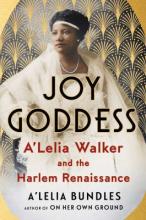
Dubbed the 'joy goddess of Harlem's 1920s' by poet Langston Hughes, A'Lelia Walker, daughter of millionaire entrepreneur Madam C.J. Walker and the author's great-grandmother and namesake, is a fascinating figure whose legendary parties and Dark Tower salon helped define the Harlem Renaissance. After inheriting her mother's hair care enterprise, A'Lelia would become America's first high profile Black heiress and a prominent patron of the arts. Joy Goddess takes readers inside her three New York homes -- a mansion, a townhouse, and a pied-a-terre -- where she entertained Langston Hughes, Zora Neale Hurston, Paul Robeson, Florence Mills, James Weldon Johnson, Carl Van Vechten, W.E.B. DuBois, and other cultural, social and intellectual luminaries of the Roaring Twenties. Now, based on extensive research and Walker's personal correspondence, her great-granddaughter creates a meticulous, nuanced portrait of a charismatic woman struggling to define herself as a wife, mother, and businesswoman outside her famous mother's sphere. In Joy Goddess, A'Lelia's radiant personality and impresario instincts -- at the center of a vast, artistic social world where she flourished as a fashion trendsetter and international traveler -- are brought to vivid and unforgettable life.
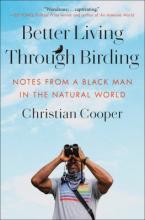
Christian Cooper is a self-described Blerd (Black nerd), an avid comics fan, and an expert birder who devotes every spring to gazing upon the migratory birds that stop to rest in Central Park, just a subway ride away from where he lives in New York City. When birdwatching in the park one morning in May 2020, Cooper was engaged in the ritual that had been a part of his life since he was ten years old. But when a routine encounter with a dog-walker escalates age old racial tensions, Cooper's viral video of the incident would send shockwaves through the nation. In Better Living Through Birding, Cooper tells the story of his extraordinary life leading up to the now-infamous encounter in Central Park and shows how a life spent looking up at the birds prepared him, in the most uncanny of ways, to be a gay, Black man in American today. From sharpened senses that work just as well in a protest as in a park, to what a bird like the Common Grackle can teach us about self-acceptance, Better Living Through Birding exults in the pleasures of a life lived in pursuit of the natural world and invites you to discover your own. Equal parts memoir, travelogue, and primer on the art of birding, this is Cooper's story of learning to claim and defend space for himself and others like him, from his days as a writer for Marvel Comics, where Cooper introduced the first gay storyline, to vivid and life-changing birding expeditions through Africa, Australia, the Americas and the Himalayas. Better Living Through Birding is Cooper's invitation into the wonderful world of birds, and what they can teach us about life, if only we would stop and listen.
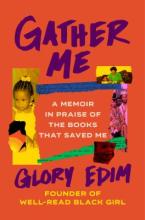
An inspiring memoir of family, community, and resilience, and an ode to the power of books to help us understand ourselves, from the renowned founder of Well-Read Black Girl. 'She is a friend of my mind. She gather me, man. The pieces I am, she gather them and give them back to me in all the right order.'--Toni Morrison. For Glory Edim, that 'friend of my mind' is books. Edim, who grew up in Virginia to Nigerian immigrant parents, started the popular Well-Read Black Girl book club at age thirty, but her love of books stretches far back: to public libraries alongside her little brothers after elementary school while her mother was working; to high school libraries where she discovered books she wasn't being taught in class; to dorm rooms and airplanes and subway rides--and, eventually, to a community of half a million other readers. When Edim's father moved back to Nigeria while she was still a child, she and her brothers were left with a single mother and little money, often finding a safe space at their local library. Books were where Edim found community, and as she grew older, she discovered the Black writers whose words would forever change her life: Nikki Giovanni through children's poetry cassettes; Maya Angelou through a critical high school English teacher; Toni Morrison while attending Morrison's alma mater, Howard University; Audre Lorde on a flight to Nigeria. In prose full of both joy and heartbreak, Edim recounts how these writers and so many others helped her to value herself: to find her own voice when her mother lost hers, to trust her feelings when her father remarried, to create bonds with other Black women and uplift their own stories. Gather Me is a glowing testament to the power of representation and the lasting impact of literature to gather our disparate parts and put them back together.
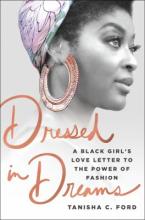
In this highly engaging book, fashionista and pop culture expert Tanisha C. Ford investigates Afros and dashikis, go-go boots and hotpants of the sixties, hip hop's baggy jeans and bamboo earrings, and the #BlackLivesMatter-inspired hoodies of today. The history of these garments is deeply intertwined with Ford's story as a black girl coming of age in a Midwestern rust belt city. She experimented with the Jheri curl; discovered how wearing the wrong color tennis shoes at the roller rink during the drug and gang wars of the 1980s could get you beaten; and rocked oversized, brightly colored jeans and Timberlands at an elite boarding school where the white upper crust wore conservative wool shift dresses. Dressed in Dreams is a story of desire, access, conformity, and black innovation that explains things like the importance of knockoff culture; the role of "ghetto fabulous" full-length furs and colorful leather in the 1990s; how black girls make magic out of a dollar store t-shirt, rhinestones, and airbrushed paint; and black parents' emphasis on dressing nice. Ford talks about the pain of seeing black style appropriated by the mainstream fashion industry and fashion's power, especially in middle America. In this richly evocative narrative, she shares her lifelong fashion revolution--from figuring out her own personal style to discovering what makes Midwestern fashion a real thing too.
You might already be familiar with Afro Sheen and Ultra Sheen, but have you heard of the man behind the company that produced these products? In [this book], George Ellis Johnson, the acclaimed self-made businessman, reveals his inspiring and captivating rise from humble beginnings to the top of the haircare industry. At just twenty-seven years old, Johnson created the Johnson Products Company. JPC was the first Black-owned company to trade on a major stock exchange, became the financial sponsor of Soul Train, and was once considered the largest Black-owned manufacturing company in the world. At the height of its success, JPC was worth $37 million (over $225 million today). In this coming-of-age story, Johnson uses the life skills and strong character built from working odd jobs as a teenager and practicing the Golden Rule to create a business that both nurtures and advances the Black community. Without a formal education, he filled a gap in the Black haircare industry and created a high-quality formula for straightening hair and the iconic Ultra Sheen and Afro Sheen products that supported Black people in expressing their authentic beauty.
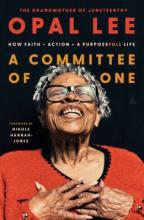
In 2016, then-90-year-old Opal Lee began her Opal Walks 2 DC campaign where she endeavored to walk 1,400 miles from Fort Worth, Texas to Washington, DC to bring awareness to the cause of making Juneteenth a federally recognized holiday. She was convinced that the country needed and wanted the unity that celebrating the abolition of slavery can bring. That it was bigger than Texas. Thankfully, on June 17, 2021, President Joseph Biden passed the bill making Juneteenth a National holiday and Ms. Opal stood alongside the president during this historic occasion, receiving the pen he used to sign off on the law.
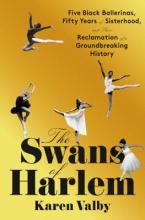
The forgotten story of a pioneering group of five Black ballerinas, the first principals in the Dance Theatre of Harlem, who traveled the world as highly celebrated stars in their field and whose legacy was erased from history until now. At the height of the Civil Rights movement, Lydia Abarça was a Black prima ballerina with a major international dance company -- the Dance Theatre of Harlem. She was the first Black ballerina on the cover of Dance magazine, an Essence cover star, cast in The Wiz, and on Broadway with Bob Fosse. She performed in some of ballet's most iconic works with her closest friends -- founding members of the company, the Swans of Harlem, Gayle McKinney, Sheila Rohan, Marcia Sells, and Karlya Shelton -- for the Queen of England and Mick Jagger, with Josephine Baker, at the White House, and beyond. Some forty years later, when Lydia's granddaughter wanted to show her own ballet class evidence of her grandmother's success, she found almost none, but for some yellowing photographs and programs in the family basement. Lydia had struggled for years to reckon with the erasure of her success, as all the Swans had. Still united as sisters in the present, they decided it was time to share their story themselves. Captivating, rich in vivid detail and character, and steeped in the glamor and grit of professional ballet, The Swans of Harlem is a riveting account of five extraordinarily accomplished women, a celebration of their historic careers, and a window into the robust history of Black ballet, hidden for too long.
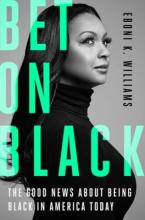
Journalist, attorney, and star of Bravo's The Real Housewives of New York reshapes the cultural landscape of achievement by showing why Black unity is crucial to individual and collective success. Eboni K. Williams knew that an important part of her mission as a media personality would be to unabashedly place Blackness on a pedestal. Williams has long known that Blackness is a rich, expansive place that centers resilience, excellence, beauty, panache, and brilliance. But these notions of Blackness have long been distorted by American racism, where for generations Black folks have been expected to live a subordinate, second-class existence in the country they call home. "No more!" Williams says, proclaiming that the good news about being Black today is that our community has unprecedented access to an array of tools to honor our Blackness however we see fit, whenever we see fit, wherever we see fit. Bet on Black is thus a call to action for Black people all over the world to adopt a fresh, highly informed mindset that will change lives. She delves into some of the cornerstones of leading a first-class Black life, including: Don't Let Anyone Make You Their Black Sidekick; Don't Let Anyone Make You Their Black Sidekick; Subvert Stereotypes and Do You; Disrupt Oppressive Power Structures; No Need to Codeswitch, Show Up as You Beautifully Are; Get Together - Black Community is Invincible When We Get Together. She does this all while sharing intimate details of her own story, so that you will better get to know the Eboni that you've seen on The View and The Real Housewives of New York and heard on her own podcast series Holding Court. Williams's writing is at turns entertaining, relatable, and incredibly inspiring; after finishing this book, you will be reawakened to own your worth and understand the value of celebrating Blackness--whether yours or others'. As Williams said in her infamous tagline, "I've had to work twice as hard for half as much, but now I'm coming for everything." And she won't be satisfied until her people have unfettered access to everything right alongside her. She boldly proclaims that Blackness is the single most misunderstood construct in America. And in Bet on Black, Williams invites you to join her on the quest to show the world what Blackness really is.
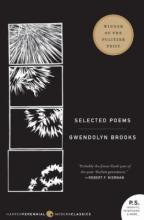
The classic volume by the distinguished modern poet, winner of the 1950 Pulitzer Prize, and recipient of the National Book Foundation Medal for Distinguished Contribution to American Letters, showcases an esteemed artist's technical mastery, her warm humanity, and her compassionate and illuminating response to a complex world.
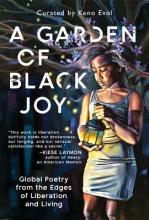
An anthology of poems, interviews, and essays that spotlight black joy as a resource of abundance, and also as a mode of self-defense. Poets from England, Nigeria, Kenya, Germany, and beyond provide a sketch of what black joy means in this moment and how to make use of it in the name of the future.
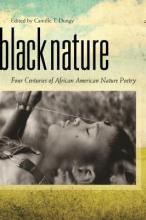
This book is the first anthology to focus on nature writing by African American poets, a genre that until now has not commonly been counted as one in which African American poets have participated. Black poets have a long tradition of incorporating treatments of the natural world into their work, but it is often read as political, historical, or protest poetry, anything but nature poetry. This is particularly true when the definition of what constitutes nature writing is limited to work about the pastoral or the wild. The author has selected 180 poems from 93 poets that provide unique perspectives on American social and literary history to broaden our concept of nature poetry and African American poetics. This collection features major writers such as Phillis Wheatley, Rita Dove, Yusef Komunyakaa, Gwendolyn Brooks, Sterling Brown, Robert Hayden, Wanda Coleman, Natasha Trethewey, and Melvin B. Tolson as well as newer talents such as Douglas Kearney, Major Jackson, and Janice Harrington. Included are poets writing out of slavery, Reconstruction, the Harlem Renaissance, the Black Arts Movement, and late twentieth- and early twenty-first-century African American poetic movements. It also brings to the fore a neglected and vital means of considering poetry by African Americans and nature-related poetry as a whole.
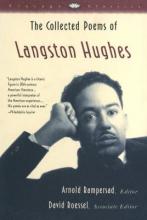
Here, for the first time, are all the poems that Langston Hughes published during his lifetime, arranged in the general order in which he wrote them. Lyrical and pungent, passionate and polemical, the result is a treasure of a book, the essential collection of a poet whose words have entered our common language. The collection spans five decades, and is comprised of 868 poems (nearly 300 of which never before appeared in book form) with annotations by Arnold Rampersad and David Roessel. Alongside such famous works as "The Negro Speaks of Rivers" and Montage of a Dream Deferred, The Collected Poems includes Hughes's lesser-known verse for children; topical poems distributed through the Associated Negro Press; and poems such as "Goodbye Christ" that were once suppressed
From J. Drew Lanham, MacArthur "Genius" Grant recipient and author of Sparrow Envy: A Field Guide to Birds and Lesser Beasts, comes a sensuous new collection in his signature mix of poetry and prose. In gorgeous and timely pieces, Joy Is the Justice We Give Ourselves is a lush journey into wildness and Black being. Lanham notices nature through seasonal shifts, societal unrest, and deeply personal reflection and traces a path from bitter history to the present predicament. Drawing canny connections between the precarity of nature and the long arm of racism, the collection offers reconciliation and eco-reparation as hopeful destinations from our current climate of division. In Joy is the Justice We Give Ourselves, Lanham mines the deep connection to ancestors through the living world and tunes his unique voice toward embracing the radical act of joy.
Cynthia Manick's latest is a playlist of everyday life, introverted thoughts, familial bonds, and social commentary. In piercing language, she traces the circle of life for a narrator who dares to exist between youthful remembrances and adulthood realities. Each poem in No Sweet Without Brine is a reminder that a hint of sorrow makes the celebration and recognition of the glory of Blackness in all ways, and through all people, that much sweeter.
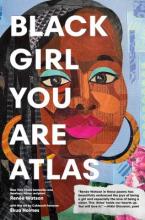
Poet Renée Watson looks back at her childhood and urges readers to look forward at their futures with love, understanding, and celebration in this fully illustrated poetry collection.
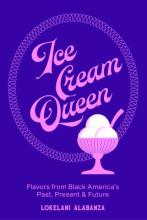
An ode to Black joy and creativity with 100 wildly inventive ice cream, sorbet, and nondairy recipes.
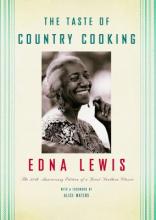
In this classic Southern cookbook, the “first lady of Southern cooking” (NPR) shares the seasonal recipes from a childhood spent in a small farming community settled by freed slaves. She shows us how to recreate these timeless dishes in our own kitchens—using natural ingredients, embracing the seasons, and cultivating community.
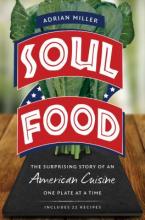
In this insightful and eclectic history, Adrian Miller delves into the influences, ingredients, and innovations that make up the soul food tradition. Focusing each chapter on the culinary and social history of one dish--such as fried chicken, chitlins, yams, greens, and "red drinks--Miller uncovers how it got on the soul food plate and what it means for African American culture and identity.
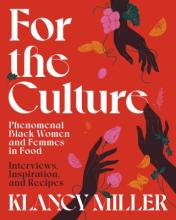
Chef and writer Klancy Miller found her own way by trial and error--as a pastry chef, recipe developer, author, and founder of For the Culture magazine--but what if she had known then what she knows now? What if she had known the extraordinary women profiled within these pages--entrepreneurs, chefs, food stylists, mixologists, historians, influencers, hoteliers, and more--and learned from their stories? Like Leah Penniman, a farmer using Afro-Indigenous methods to restore the land and feed her community; Ashtin Berry, an activist, sommelier, and mixologist creating radical change in the hospitality industry and beyond; or Sophia Roe, a TV host and producer showcasing the inside stories behind today's food systems. ... In this ... volume these luminaries and more share the vision that drives them, the mistakes they made along the way, advice for the next generation, and treasured recipes.
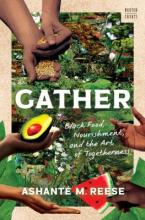
Often, when we talk about food justice we focus on lack: food deserts or problems of access, unhealthy foods or government programs that don't provide enough. But we have as much to learn from stories of communal support as we do from stories of systemic lack. In Gather, anthropologist and writer Ashant©Øe Reese offers a new vision of food justice, one that celebrates Black communities and argues for the value of togetherness in our increasingly isolated world. By exploring the ways Black people gather to nourish each other, both physically and spiritually, Gather argues that community wellbeing deserves as much consideration as individual health. In chapters centered on four spaces of gathering-gardens, family reunions, repasts, and protests-Reese offers rich, on-the-ground studies of the places and people who make up the food justice movement. From church community gardens and student protests at UT Austin to Reese's own family reunions, these moving vignettes affirm the value of reciprocity, mutual aid, and good food as vital ingredients for social change. Taken together, these chapters invite us to learn from the tactics Black communities have long used to maintain self-sufficiency and to rethink our relationship to community. There are no simple solutions to the problems of acute need; but by recognizing that food justice is already all around us, we can start working together to create the world we want to live in. As deepening economic inequality and climate crisis make questions about how and where we get our food more urgent and as social isolation becomes more pervasive, this book shows us why the work of gathering is absolutely necessary.
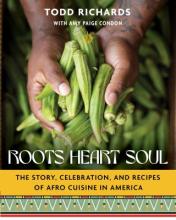
Chef Todd Richards explores West African diaspora cooking in the Americas, spanning history from the slave trade through the Great Migration, with over 100 mouthwatering recipes and illuminating narratives.

In the United States, food and music are inextricably linked-- especially in the African American culture. Smalls have created a curated set a recipes-- a playlist of essential African American dishes. The recipes are the very best of what he has eaten, cooked, and imagined. He divides the book into seven styles of African American music, showing a cuisine as evolving as the people from which it came.
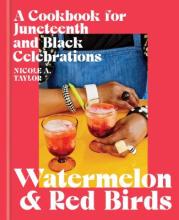
The very first cookbook to celebrate Juneteenth, from food writer and cookbook author Nicole A. Taylor--who draws on her decade of experiences observing the holiday.
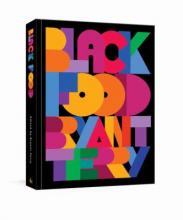
In this stunning and deeply heartfelt tribute to Black culinary ingenuity, Bryant Terry captures the broad and divergent voices of the African Diaspora through the prism of food. With contributions from more than 100 Black cultural luminaries from around the globe, the book moves through chapters exploring parts of the Black experience, from Homeland to Migration, Spirituality to Black Future, offering delicious recipes, moving essays, and arresting artwork. As much a joyful celebration of Black culture as a cookbook, Black Food explores the interweaving of food, experience, and community through original poetry and essays, including "Jollofing with Toni Morrison" by Sarah Ladipo Manyika, "Queer Intelligence" by Zoe Adjonyoh, "The Spiritual Ecology of Black Food" by Leah Penniman, and "Foodsteps in Motion" by Michael W. Twitty. The recipes are similarly expansive and generous, including sentimental favorites and fresh takes such as Crispy Cassava Skillet Cakes from Yewande Komolafe, Okra & Shrimp Purloo from BJ Dennis, Jerk Chicken Ramen from Suzanne Barr, Avocado and Mango Salad with Spicy Pickled Carrot and Rof Dressing from Pierre Thiam, and Sweet Potato Pie from Jenné Claiborne. Visually stunning artwork from such notables as Black Panther Party creative director Emory Douglas and artist Sarina Mantle are woven throughout, and the book includes a signature musical playlist curated by Bryant--Publisher website.
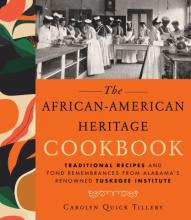
For more than 100 years, the small Southern town of Tuskegee, Alabama, has been a mecca for African Americans. The Tuskegee Institute, founded by former slave Booker T. Washington in 1881, grew from a fledgling school to become a major center of American progress and education. This unique narrative cookbook traces the history and heritage of Tuskegee through reminiscences, vintage photographs, poetry, journal entries, and more than 200 recipes for delicious appetizers, entrées, side dishes, breads, beverages, and desserts that reflect the diverse and mouthwatering flavors of Southern African American cuisine.

Discover the fascinating, unexplored history of Black mixology and its enduring influence on cocktail and drinking culture through rediscovered recipes, from the James Beard Award-winning author of Jubilee. Toni Tipton-Martin's volume on Black culinary history celebrates the lore and people behind our favorite drinks. With cocktail recipes such as the Jerk-Spiced Bloody Mary, the Absinthe Frappe, and the Clover Leaf Cocktail, Juke Joints, Jazz Clubs, and Juice illustrates the essential influence that Black Americans have had on modern mixology. Drawing on her expertise and research in historic and rare cookbooks stretching back over a century, Toni shows us how these drinks-from historic sources as well as modern interpretations of centuries-old classics-showcase excellence in Black hospitality through the ages and dispels the long held stereotype that Black cooks have all had magic hands. It's a stereotype that reduces Black cooking to some kind of abstract instinct, instead of what it really is: the years and generations of practice, building skills, intelligence and competence. Juke Joints, Jazz Clubs, and Juice paints a vivid portrait not only of the past but also of today's Black mixologists, winemakers, distillers, and producers who make up the diverse array of talent in the cocktail community. Through stunning photography and authoritative voices, like Toni's protégé Tiffanie Barriere who's a renowned Atlanta-based mixologist and drinks writer, this book takes us on a journey through Black mixology and demonstrate its modern impact on today's drinking culture.
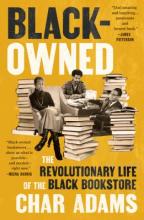
NBC News reporter Char Adams writes a deeply compelling and rigorously reported history of Black political movements, told through the lens of Black-owned bookstores, which have been centers for organizing from abolition to the Civil Rights Movement to Black Lives Matter. Black-Owned celebrates small businesses and their role in community building-and in liberation. Journalist Char Adams reports on how Black bookstores have always been centerpieces of resistance. This is a story of activism, espionage, violence, and perseverance. The first Black-owned bookstore was opened by an abolitionist in 1834. In the twentieth century, civil rights and Black Power activists started a Black bookstore boom nationwide. Malcolm X would deliver speeches at the doorstep of the National Memorial African Book Store in Harlem, a place dubbed "Speakers Corner." Soon many bookstores became targets of the FBI and local law enforcement alike. Amid these struggles, bookshops were also places of celebration: Eartha Kitt and Langston Hughes held autograph parties at their local Black-owned bookstore and Maya Angelou even became the face of National Black Bookstore Week. Now a new generation of Black activists are joining the radical bookstore tradition, with rapper Noname opening her Radical Hood Library in Los Angeles. And several stores made national headlines in the era of the Black Lives Matter movement. Today finds Black-owned bookshops in a position of strength-and as Adams will make clear, in an era of increasing division, their presence is needed now more than ever. Populated by vibrant characters and written with cinematic flair, Black-Owned is an enlightening story of community, resistance, and joy.
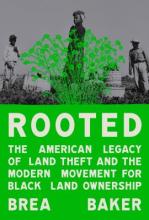
To understand the contemporary racial wealth gap, we must first unpack the historic attacks on Indigenous and Black land ownership. From the moment that colonizers set foot on Virginian soil, a centuries-long war was waged, resulting in an existential dilemma: Who owns what on stolen land? Who owns what with stolen labor? To answer these questions, we must confront one of this nation's first sins: stealing, hoarding, and commodifying the land ch suggests that between 1910 and 1997, Black Americans lost about 90% of their farmland. Land theft widened the racial wealth gap, privatized natural resources, and created a permanent barrier to access that should be a birthright for Black and Indigenous communities. Rooted traces the experiences of Brea Baker's family history of devastating land loss in Kentucky and North Carolina, identifying such violence as the root of persistent inequality in this country. Ultimately, her grandparents' commitment to Black land ownership resulted in the Bakers Acres--a haven for the family where they are sustained by the land, surrounded by love, and wholly free.
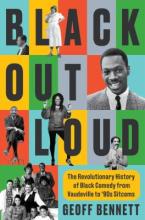
The award-winning co-anchor of PBS NewsHour presents a sweeping and insightful retrospective on the history of Black comedy in America.

Black in Fashion is a celebration of Black voices in fashion as captured by Women?s Wear Daily contributors and photographers since the publication?s inception in 1910. WWD is showcased here with more than 375 black-and-white and color photographs, illustrations, and articles from its massive archive. The book, written by Tonya Blazio-Licorish and Tara Donaldson, explores the contributions of trailblazing designers like Stephen Burrows and Virgil Abloh, whose philosophy inspired a new generation to interact with fashion differently; pioneering models like Naomi Sims, who in 1969 at age twenty-one launched Naomi Inc., a cosmetics company catering to Black women; and celebrities and multi-hyphenates like Josephine Baker, whose approach to fashion in the 1920s single-handedly changed and challenged the influence of Black culture on a global scale. In-depth profiles on Black creatives throughout the fashion world?and on key topics such as the Black is Beautiful movement?punctuate the lavish pages as well, in addition to original interviews with notables and a foreword from acclaimed American designer Tracy Reese. Black in Fashion is an incomparable celebration of Black fashion from the ultimate voice of authority.
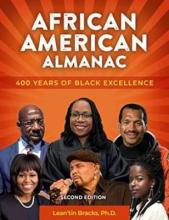
Updated and revised for the first time in over a decade, the second edition of African American Almanac: 400 Years of Black Excellence is a comprehensive and inspiring book that celebrates the African American experience, highlighting the extraordinary people and their profound influence on American history. It covers a wide range of topics, including literature, art, music, the civil rights movement, religion, science, medicine, politics, education, business, the military, sports, theater, film, and television, providing historical facts and insightful essays and profiling the lives and contributions of more than 800 notable individuals.
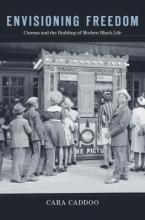
Viewing turn-of-the-century African American history through the lens of cinema, Envisioning Freedom "examines the forgotten history of early black film exhibition during the era of mass migration and Jim Crow. By embracing the new medium of moving pictures at the turn of the twentieth century, black Americans forged a collective if fraught culture of freedom.
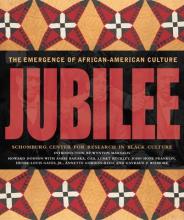
Essays by leading voices in African-American history and literature, including Henry Louis Gates, Jr., John Hope Franklin, Amiri Bakara, Annette Gordon-Reed, and Gail Buckley will explore topics such as abolition and emancipation, changes in family life and social development, religion, and the evolution of language, literacy, and education through the end of Reconstruction. This illuminating text is surrounded by more than 200 stunning illustrations, culled from the Schomburg?s collection of more than 5 million items. From slave ship manifests, manumission papers, and some of the earliest photographs of slaves to carved items that echo African sculpture and freedom quilts with African motifs, the book is richly illustrated in an interactive way that brings to life this crucial transition from slavery to freedom.
"It is staggering that there is no date commemorating the end of slavery in the United States." -Annette Gordon-Reed. The essential, sweeping story of Juneteenth's integral importance to American history, as told by a Pulitzer Prize-winning historian and Texas native. Interweaving American history, dramatic family chronicle, and searing episodes of memoir, Annette Gordon-Reed, the descendant of enslaved people brought to Texas in the 1850s, recounts the origins of Juneteenth and explores the legacies of the holiday that remain with us. From the earliest presence of black people in Texas-in the 1500s, well before enslaved Africans arrived in Jamestown-to the day in Galveston on June 19, 1865, when General Gordon Granger announced the end of slavery, Gordon-Reed's insightful and inspiring essays present the saga of a "frontier" peopled by Native Americans, Anglos, Tejanos, and Blacks that became a slaveholder's republic. Reworking the "Alamo" framework, Gordon-Reed shows that the slave-and race-based economy not only defined this fractious era of Texas independence, but precipitated the Mexican-American War and the resulting Civil War. A commemoration of Juneteenth and the fraught legacies of slavery that still persist, On Juneteenth is stark reminder that the fight for equality is ongoing.
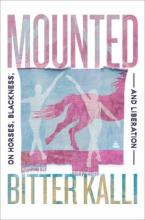
Joining the growing Black creative movement currently refashioning horses and cowboy imagery, a thoughtful, probing exploration of the shared history of Blackness and horses which reveals what its image can teach us about nationhood, race, and culture. Drawing on their personal history as a former urban equestrian, Black queer person, and child of Jamaican and Filipino immigrants, essayist and art critic Bitter Kalli contends the horse should be regarded as a critical source of power and identity in Black life. In a series of astute essays, Kalli explores the work of Black artists and influencers from Beyoncé to filmmakers Tiona Nekkia-McClodden and Jeymes Samuel and explores their own life-long relationship to equines. Alternatively playful and critical, meditative and biting, these essays navigate time and place--from the shadows of racetracks where jockey culture and the ubiquity of "equestrian chic" was born, to the reclamation--or, in Lil Nas X's word, yeehawification--of the image of the cowboy, to the fraught connections of equestrian sport to slavery, US militarization, and European colonial domination. At heart, Kalli probes a central question: What does it mean for Black people to ride and tend horses in the context of a culture that has also used horses against them? Throughout these essays, Kalli reflects on the experience of being the only Black member of the equestrian team at Columbia University, and how the aesthetics, ethos, and practice of horse stewardship contributed to their understanding of gender, sexuality, and radical community building. Mounted moves beyond the reductive stereotypes that dominate our perceptions of "horse people"--the swaggering masculinity, snooty elitism, and assumed whiteness--to reveal how Black people relate to the image and physical presence of the horse in nature and culture, considering violence, sexualization, power, migration, and more through its image.
For more than 150 years, Black communities have gathered to honor freedom, resilience, and the ongoing struggle for true liberation. While Juneteenth has recently gained wider recognition, it was one of many Emancipation Day traditions celebrated across the United States. These observances were spaces of joy, remembrance, and resistance--even as the fight for full freedom was unfinished. This volume brings together stirring essays and striking images from Juneteenth and beyond, offering a sweeping portrait of how Black people have created and sustained rituals of remembrance, a testament to the generations who, through celebration and storytelling, demanded that their contributions to the making of America be fully recognized.
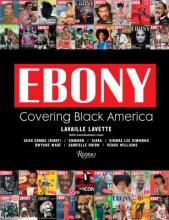
In 1945, Ebony's legendary founder John H. Johnson set out to create a magazine for Black America much like that of the trailblazing Life Magazine, and that he did. For the African American community, Ebony has been a breath of fresh air, speaking on issues and events from the Black perspective, celebrating Black standards of beauty and elevating heroes of Black America--athletes, entertainers, activists, elected officials, or some combination thereof. Ebony: Covering Black America, by Lavaille Lavette, is a celebration of the treasure trove of the magazine's rich history, glamorous covers, groundbreaking cultural impact, and authentic coverage of Black American life from the magazine's inception to the present. Ebony was Black America's social media long before the birth of Facebook, Twitter, and Instagram, says Lavette. Curated by Lavette, this all-out feast of a book is packed with exclusive contributions by a host of celebrities, influencers, and cultural icons, including Common, Gabrielle Union, Dwyane Wade, Sean Combs, Kimora Lee Simmons, Ciara, and Venus Williams. The book also includes more than 600 covers and photographs featuring political forces such as Martin Luther King Jr., Michelle and President Barack Obama, and Congresswoman Barbara Jordan; entertainers such as Diana Ross, Sidney Poitier, Dorothy Dandridge, Oprah Winfrey, and Prince; as well as sports heroes like Serena Williams, Muhammad Ali, Russell Westbrook, and Simone Biles. Lavette has chosen select articles, features, and reportage of note, including Martin Luther King Jr.'s advice column, and Ebony Fashion Fair photo shoots, divided into categories found within the magazine, including Civil Rights & Social Justice, Love & Family, Ebony Men, Ebony Women, and Ebony Music. Unique in the quality of its photographs and contributors and chronicling everything from fashion and food to politics and social change, to sports and entertainment, Ebony: Covering Black America is a monumental milestone in African-American history and culture, and will be a treasured volume for the magazine's legion of loyal readers.
Mays explores the relationship and differences between the Black American quest for freedom and the Native American struggle for sovereignty in the U.S.
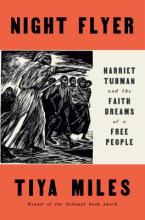
From the National-Book-Award-winning author of All That She Carried, an intimate and revelatory reckoning with the myth and the truth behind an American everyone knows and few really understand. Harriet Tubman is, if surveys are to be trusted, one of the ten most famous Americans ever born, and soon to be the face of the twenty-dollar bill. Yet often she's a figure more out of myth than history, almost a comic-book superhero--the woman who, despite being barely five-feet tall, illiterate, and suffering from a brain injury, managed to escape from her own enslavement, return again and again to lead others North to freedom, speak out powerfully against slavery, and then become the first American woman in history to lead a military raid, freeing some 750 people without loss of life. You could almost say she's America's Robin Hood, a miraculous vision, often rightly celebrated but seldom understood. Tiya Miles's extraordinary Night Flyer changes all that. With her characteristic tenderness and imaginative genius, Miles explores beyond the stock historical grid to weave Tubman's life into the fabric of her world. She probes the ecological reality of Tubman's surroundings and examines her kinship with other enslaved women who similarly passed through a spiritual wilderness and recorded those travels in profound and moving memoirs. What emerges, uncannily, is a human being whose mysticism becomes the more palpable the more we understand it--a story that offers us powerful inspiration for our own time of troubles. Harriet Tubman traversed many boundaries, inner and outer. Now, thanks to Tiya Miles, she becomes an even clearer and sharper signal from the past, one that can help us to echolocate a more just and sustainable path.

Black Women's Liberation Movement Music argues that the Black Women's Liberation Movement of the mid-to-late 1960s and 1970s was a unique combination of Black political feminism, Black literary feminism, and Black musical feminism, among other forms of Black feminism. This book critically explores the ways the soundtracks of the Black Women's Liberation Movement often overlapped with those of other 1960s and 1970s social, political, and cultural movements, such as the Black Power Movement, Women's Liberation Movement, and Sexual Revolution. The soul, funk, and disco music of the Black Women's Liberation Movement era is simultaneously interpreted as universalist, feminist (in a general sense), and Black female-focused. This music's incredible ability to be interpreted in so many different ways speaks to the importance and power of Black women's music and the fact that it has multiple-meanings for a multitude of people. Within the worlds of both Black popular movement studies and Black popular music studies there has been a longstanding tendency to almost exclusively associate Black women's music of the mid-to-late 1960s and 1970s with the Black male-dominated Black Power Movement or the White female-dominated Women's Liberation Movement. However, this book reveals that much of the soul, funk, and disco performed by Black women was most often the very popular music of a very unpopular and unsung movement: the Black Women's Liberation Movement. Black Women's Liberation Movement Music is an invaluable resource for students, teachers, and researchers of Popular Music Studies, American Studies, African American Studies, Critical Race Studies, Gender Studies, and Sexuality Studies.
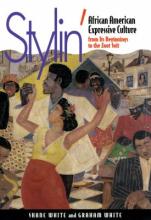
Shane White and Graham White consider the deeper significance of the ways in which African Americans have dressed, walked, danced, arranged their hair, and communicated in silent gestures. They ask what elaborate hair styles, bright colors, bandanas, long watch chains, and zoot suits, for example, have really meant, and discuss style itself as an expression of deep-seated cultural imperatives. Their wide-ranging exploration of black style from its African origins to the 1940s reveals a culture that differed from that of the dominant racial group in ways that were often subtle and elusive."--BOOK JACKET. "White and White argue that the politics of black style is, in fact, the politics of metaphor, always ambiguous because it is always indirect. To tease out these ambiguities, they examine extensive sources, including advertisements for runaway slaves, interviews recorded with surviving ex-slaves in the 1930s, autobiographies, travelers' accounts, photographs, paintings, prints, newspapers, and images drawn from popular culture, such as the stereotypes of Jim Crow and Zip Coon.
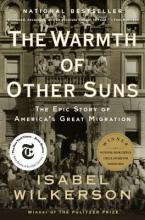
In this beautifully written masterwork, Pulitzer Prize–winning author Isabel Wilkerson presents a definitive and dramatic account of one of the great untold stories of American history: the Great Migration of six million Black citizens who fled the South for the North and West in search of a better life, from World War I to 1970.
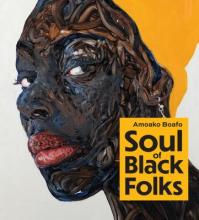
A collection of breathtaking portraits by notable Ghanaian painter and visual artist Amoako Boafo Published to accompany Ghanaian artist Amoako Boafo's premier museum solo exhibition, copresented by the Museum of the African Diaspora (MoAD) in San Francisco and the Contemporary Arts Museum Houston, Amoako Boafo: Soul of Black Folks is a timely exploration into the varying strategies that Boafo employs within his practice to capture the essence of the Black figure. Boafo creates paintings that center Black subjectivity, Black joy, and the Black gaze. Anchored by calculated brushwork combined with skillfully executed finger-painted strokes, his mark-making generates a rich visual dichotomy that yields both inward and outward-looking explorations of Boafo's subjects and the act of painting Black figures themselves. As much as Boafo's works are about the viewer, these beautifully constructed paintings are buoys. They aid him and many people of color in their continuing journeys toward asserting their presence and place in spaces that attempt to make them feel othered. Boafo's ability to capture the spirit of the individuals in his works and engage viewers has made him one of the most influential artistic voices of his generation. The work's power lies in its communication of a shared experience beyond the Black diaspora and anyone that feels they are on the margins of society.
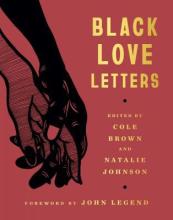
In this exquisite anthology of letters and illustrations, Cole Brown and Natalie Johnson bring together a constellation of influential Black figures to write to the people, places, and moments that mean the most to them. With a foreword from John Legend and contributions from Brontez Purnell, Morgan Jerkins, Reverend Al Sharpton, and Dr. Imani Perry, among many others, Black Love Letters is an ode to a phenomenal community: a testament to the fact that where there has been pain and suffering, there has also always been immeasurable, irrepressible joy, and love.
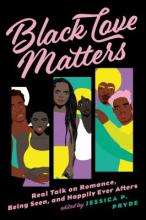
An incisive, intersectional essay anthology that celebrates and examines romance and romantic media through the lens of Black readers, writers, and cultural commentators, edited by Book Riot columnist and librarian Jessica Pryde. Romantic love has been one of the most essential elements of storytelling for centuries. But for Black people in the United States and across the diaspora, it hasn't often been easy to find Black romance joyfully showcased in entertainment media. In this collection, revered authors and sparkling newcomers, librarians and academicians, and avid readers and reviewers consider the mirrors and windows into Black love as it is depicted in the novels, television shows, and films that have shaped their own stories. Whether personal reflection or cultural commentary, these essays delve into Black love now and in the past, including topics such as the history of Black romance, social justice and the Black community, and the meaning of desire and desirability. Exploring the multifaceted ways love is seen-and the ways it isn't-this diverse array of Black voices collectively shines a light on the power of crafting happy endings for Black lovers. Jessica Pryde is joined by Carole V. Bell, Sarah Hannah Gómez, Jasmine Guillory, Da'Shaun L. Harrison, Margo Hendricks, Adriana Herrera, Piper Huguley, Kosoko Jackson, Nicole M. Jackson, Beverly Jenkins, Christina C. Jones, Julie Moody-Freeman, and Allie Parker in this collection.
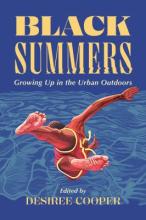
Remember frolicking outside during the long, jubilant days of summer? This vibrant collection invites readers to breathe deeply and return to that "carefree" season. From riding bikes with friends through the neighborhood, to hopping the ferry to Boblo Island, catching catfish along the river, dancing on warm nights to Afrobeats and jazz music, and cooling off in the Swimmobile, those sun-drenched memories were often clouded by racism for the Detroiters in this evocative anthology. These emerging and award-winning creators of all ages recount the struggles and triumph of staking their claim to public spaces. Ranging from poetry to essay, creative nonfiction to comics, this collection blends nostalgia with struggle and resilience. Arising from the iconic city of the African American experience comes this exploration of Black joy in the urban outdoors.
From the Thurber Prize-winning author of 'What doesn't kill you makes you Blacker' comes a pioneering collection of Black humor from some of the most acclaimed writers and performers at work today . . . With words that roast, ignite, and burn while connecting to and coalescing around a singular thesis, 'That's how they get you' emphasizes how and why Black American humor is uniquely transfixing. This is a mixture of not just observational anxieties and stream-of-consciousness lucidities but also an acute political clarity about America.
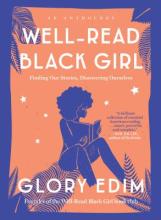
An inspiring collection of essays by black women writers, curated by the founder of the popular book club Well-Read Black Girl, on the importance of recognizing ourselves in literature. Remember that moment when you first encountered a character who seemed to be written just for you? That feeling of belonging remains with readers the rest of their lives--but not everyone regularly sees themselves on the pages of a book. In this timely anthology, Glory Edim brings together original essays by some of our best black women writers to shine a light on how important it is that we all--regardless of gender, race, religion, or ability--have the opportunity to find ourselves in literature. Contributors include Jesmyn Ward (Sing, Unburied, Sing), Lynn Nottage (Sweat), Jacqueline Woodson (Another Brooklyn), Gabourey Sidibe (This Is Just My Face), Morgan Jerkins (This Will Be My Undoing), Tayari Jones (An American Marriage), Rebecca Walker (Black, White and Jewish), and Barbara Smith (Home Girls: A Black Feminist Anthology). Whether it's learning about the complexities of femalehood from Zora Neale Hurston and Toni Morrison, finding a new type of love in The Color Purple, or using mythology to craft an alternative black future, the subjects of each essay remind us why we turn to books in times of both struggle and relaxation. As she has done with her book club-turned-online community Well-Read Black Girl, in this anthology Glory Edim has created a space in which black women's writing and knowledge and life experiences are lifted up, to be shared with all readers who value the power of a story to help us understand the world and ourselves.
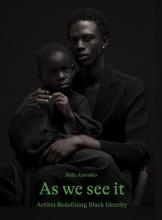
Across photography, sculpture and painting, a new wave of Black artists is challenging persistent tropes in art and wider society to depict a richer portrait of the lives of Black people from all corners of the globe. As We See It brings together 30 image-makers creating visually refreshing narratives on Black cultural identities, and exploring what Blackness brings to the making and viewing of art. How photographers are investigating and representing notions of Black identity in diverse new ways; Includes photographers who are both exploring the history of Black visual identity while also resetting its future; Full of visually refreshing and challenging narratives--including depictions of Black joy and love, as well as queer and non-binary identities, and images that underline photography's role in challenging stereotypical visual identities; Images come from across the world and straddle the worlds of portraiture, documentary, fashion and fine art; Artists included: Prince Gyasi, Nadine Ijewere, Campbell Addy, Chris Facey, Emeka Okereke, Lina Iris Viktor, Braylen Dion, Girma Berta, Kenny Germé, Naima Green, Mikael Owunna, David Nana Opoku Ansah, Lebohang Kganye, Dario Calmese, Melissa Alcena, Davey Adesida, Takeisha Jefferson, Atong Atem, Donavon Smallwood, Henry J. Kamara, Zithelo Bobby Mthombeni, Ronan Mckenzie, Rahima Gambo, Allison Janae Hamilton, Sedrick Chisom, Lunga Ntila, Jodi Minnis, Délio Jasse, Joana Choumali and Emma Prempeh.
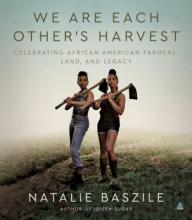
In this impressive anthology, Natalie Baszile brings together essays, poems, photographs, quotes, conversations, and first-person stories to examine black people’s connection to the American land from Emancipation to today. In the 1920s, there were over one million black farmers; today there are just 45,000. Baszile explores this crisis, through the farmers’ personal experiences. In their own words, middle aged and elderly black farmers explain why they continue to farm despite systemic discrimination and land loss. The "Returning Generation"—young farmers, who are building upon the legacy of their ancestors, talk about the challenges they face as they seek to redress issues of food justice, food sovereignty, and reparations.
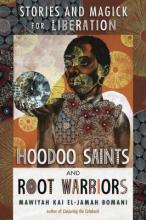
A Hoodoo practitioner's powerful collection of saints and strategies for BIPOC/AAPI people and their allies to fight against systemic racism.
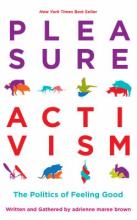
How do we make social justice the most pleasurable human experience? How can we awaken within ourselves desires that make it impossible to settle for anything less than a fulfilling life? Editor adrienne maree brown finds the answer in something she calls “pleasure activism,” a politics of healing and happiness that explodes the dour myth that changing the world is just another form of work.
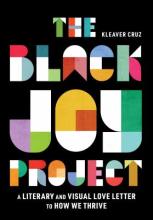
A beautiful love letter to Black joy, as a source of self-preservation and survival as well as a form of resistance.
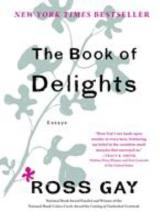
Author Ross Gay spent a year writing almost-daily essays about the things, large and small, that delight him.
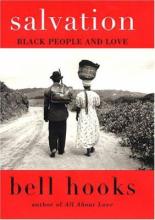
Written from both historical and cultural perspectives, Salvation takes an incisive look at the transformative power of love in the lives of African Americans. Whether talking about the legacy of slavery, relationships and marriage in Black life, the prose and poetry of Martin Luther King, Jr., James Baldwin, and Maya Angelou, the liberation movements of the 1950s, 60s, and 70s, or hip hop and gangsta rap culture, hooks lets us know what love’s got to do with it.
A powerful read examining the lack of opportunity given to Black Americans due to structural racism, and how forgotten historical figures and the author's own family found a way to succeed despite the obstacles.
A soulful collection of illuminating essays and interviews that explore Black people's spiritual and scientific connection to the land, waters, and climate, curated by the acclaimed author of Farming While Black.